MaNEP Switzerland
Exploring electronic materials of the future
MaNEP
Home
Profile
Research
Industry
Education
Publications
Events


A Super programme
Superconductivity and the media
The Super what?
100 years already!
A film to learn more
Current and future uses of Superconductivity
100 Years of Superconductivity around the world


A Super programme

MaNEP and the University of Geneva celebrated the 100th anniversary of the discovery of superconductivity.

Magnetically levitated trains, mobile telephones, energy storage: superconductivity could one day transform our daily lives. The world of science has joined up with the world of art so that the general public can learn all about this amazing physics discovery.

To honour the day that superconductivity was officially discovered, 8th April 2011, the PhysiScope opened its doors from 8 to 20 April offering the general public a fun workshop, to discover this amazing physics phenomenon. More than 500 people took part.

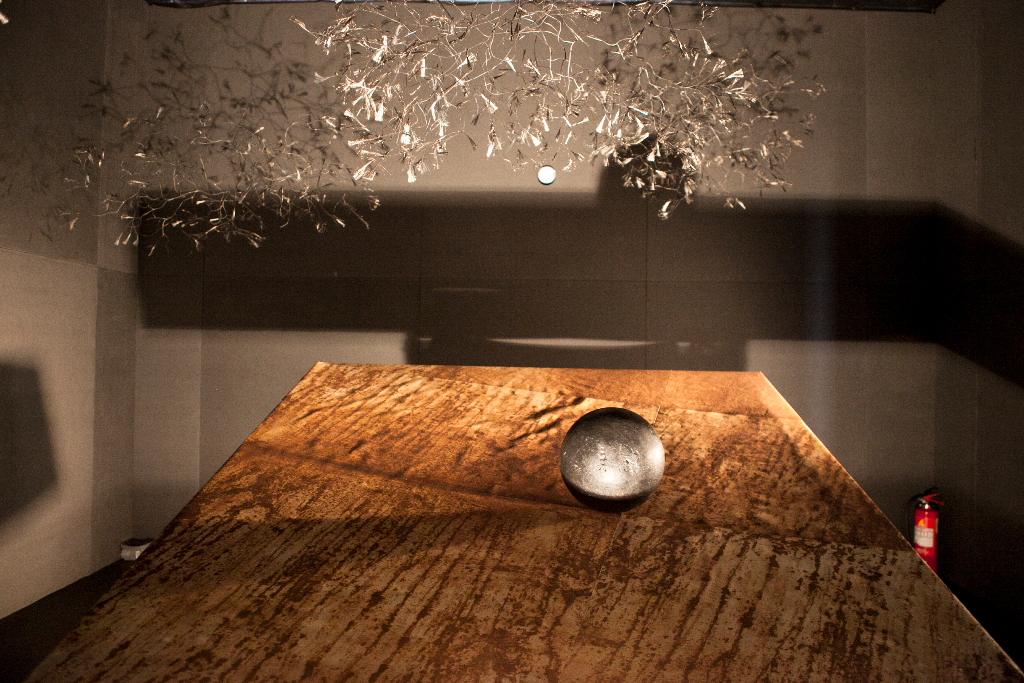
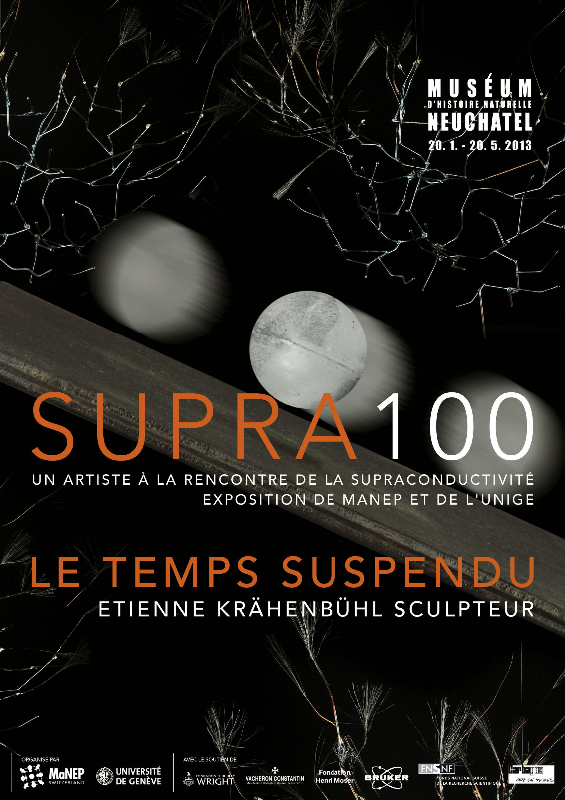
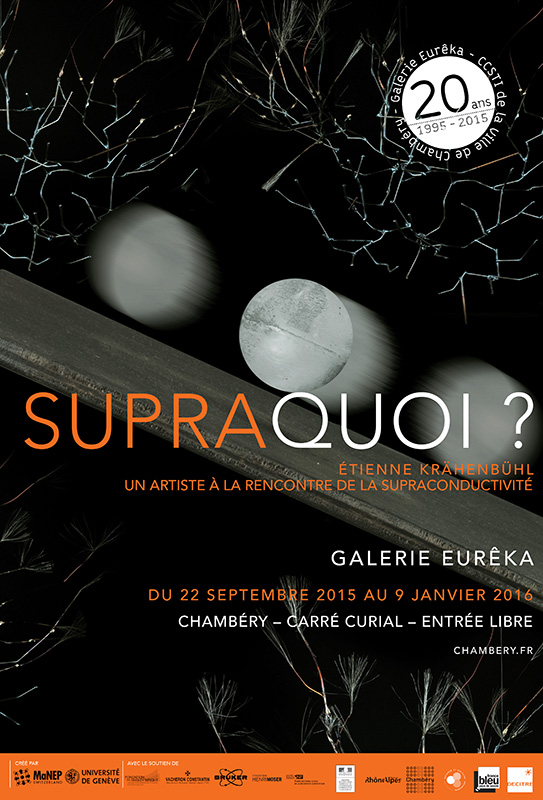
SUPRA100 Exhibition
.
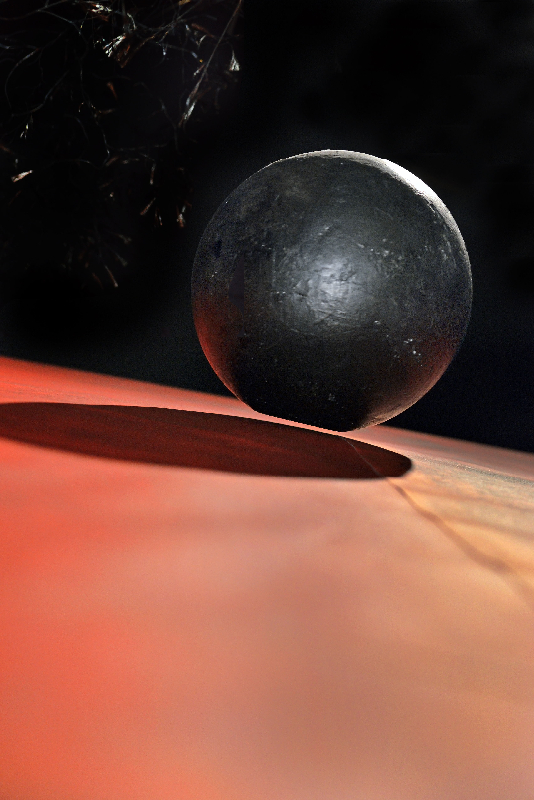
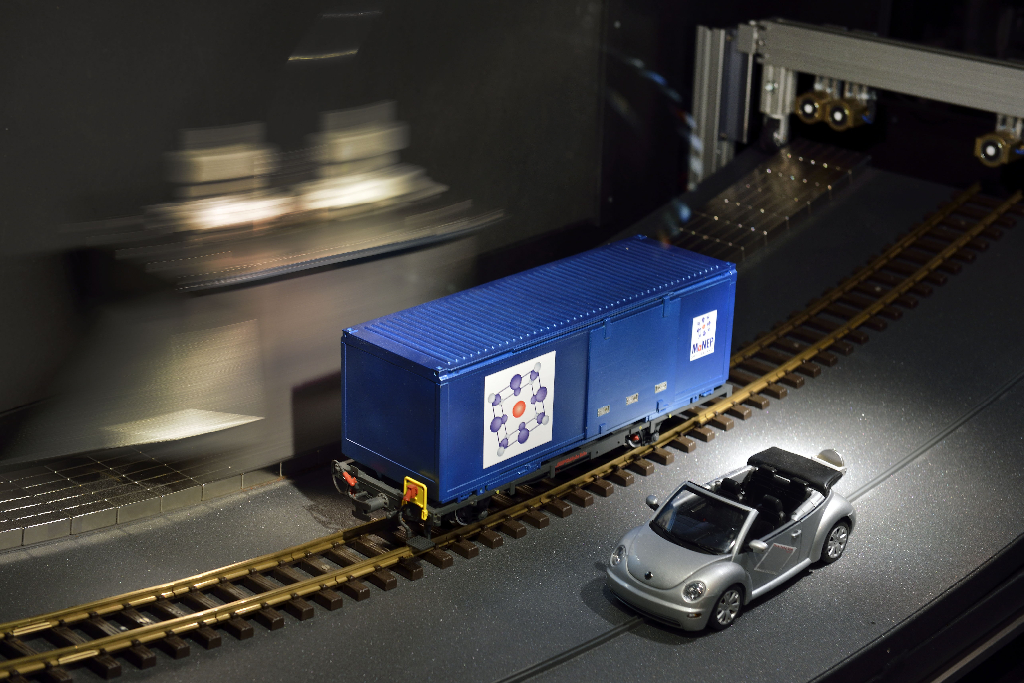
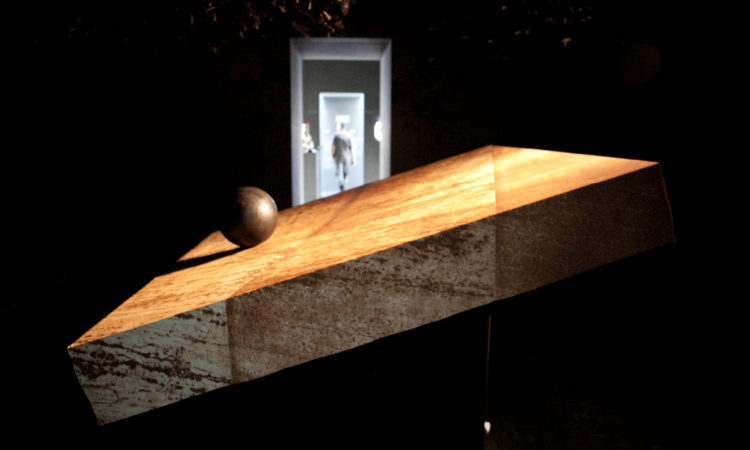
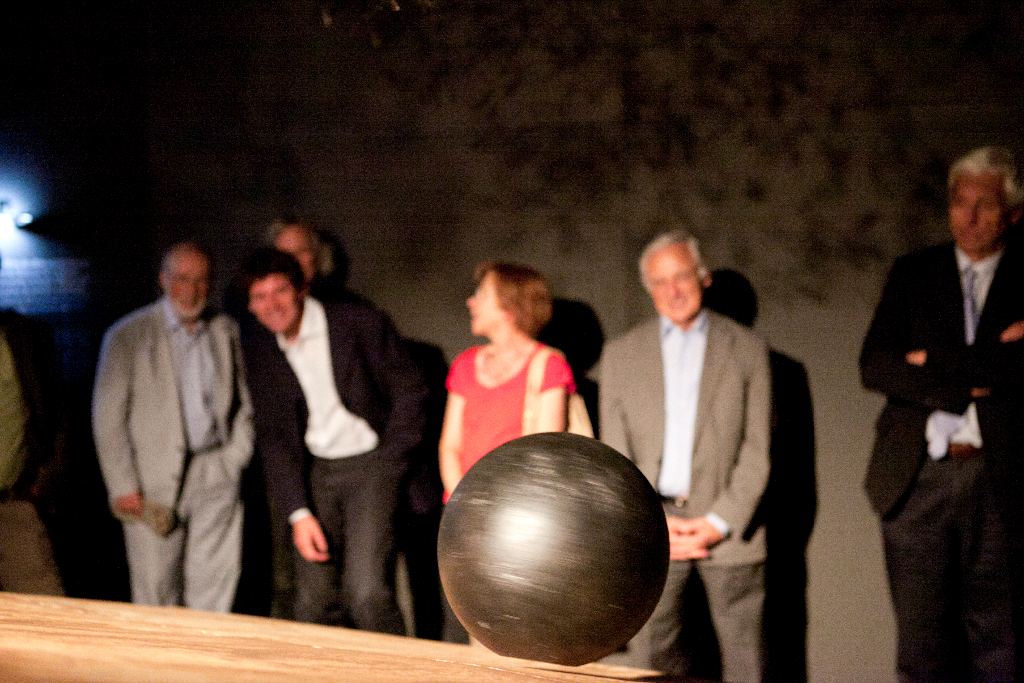
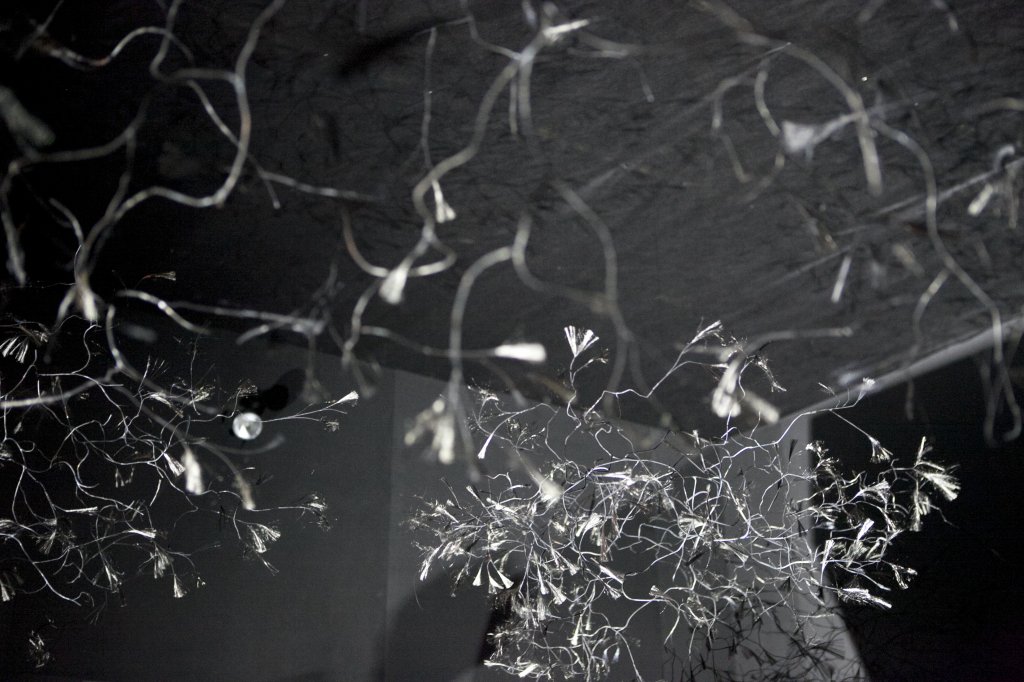
The world première of a sculpture that flirts with superconductivity was revealed by the Swiss artist Etienne Krähenbühl.  Etienne Krähenbühl is well known for his work that mixes novel and surprising materials like metals «with shape memory». This physical phenomenon, as well as its current and future applications, are explained while mirroring this unusual work of art.
Etienne Krähenbühl: http://www.ekl.ch/

The exhibithion was hosted at Uni Mail, University of Geneva from September 15 to November 12, 2011

Supra100 will travel in other places in the world. Further information: communication@manep.ch

Special events for a young audience

Entertainment for 8-12 year olds
Accompanied by a qualified animator, children were able to discover the secrets of superconductivity.  These animated activities are more than just the passing on of scientific knowledge; they are an opportunity for children to enjoy science as a creative and dynamic activity.

Visits for secondary schools
One hour guided visits conducted by specialists.

Levitation Museum Show

As part of the Bâtie-Festival of Geneva, the theatre company, EXOS acted out superconductivity in a show full of surprises. EXOS has been collaborating with MaNEP since 2007 to create surprising visual and magical superconductivity effects. EXOS, a company at the cross roads between the paths of the theatre, movement, dance and the circus, has joined forces with physicists to offer a show which demonstrates magic and levitation, mixing superconductivity and visual effects.

From September 14 to 17, 2011 at 18h to 20h, Uni Mail
From 12 year olds | Billets: www.batie.ch
EXOS website: http://www.exos.ch/

Fascinating Superconductivity

Enigmas, demonstrations, mini-conferences, all sorts of experiments, laboratory visits and a «Super 100» exhibition included in the afternoon’s programme including a fun introduction to superconductivity.  Researchers, the artist Etienne Krähenbühl and animators all joined forces during the University of Geneva’s Saturday Event developed in collaboration with the PhysiScope. 1200 peoples attended.

Saturday September 17, 2011 from 14h to 19h, Uni Mail
General Public (from 5 years old) | Admission free

Conference on Superconductivity and the Energies of Tomorrow

Koichi Kitazawa, president of the Japanese Agency of Science and Technology, gave the opening lecture for the autumn semester at the University of Geneva.  As an international expert, Professor Kitazawa discussed the major role that superconducting materials at high temperature can play with the energies of the future.
Tuesday September 20, 2011 at 18h30, Uni Dufour | Free Admission

[See his presentation]

CERN also celebrated by replicating the original and historical experiment of the discovery of superconductivity in 1911.  This experiment took place on 13 April in the Globe at CERN and was presented for schools and the general public.  During the French Science Festival later in the year, there was an open day at CERN for the general public which will be from 10 to 13 October and included visits, exhibitions as well as a repeat of the PhysiScope’s workshop on superconductivity.  Globe, CERN: http://outreach.web.cern.ch/outreach/evenements/programme_annuel.html

The Paul Scherrer Institute, as well as the Swiss Physics Society, organised events commemorating this fascinating physics phenomenon. www.psi.ch


Superconductivity and the media

MaNEP, the University of Geneva and CERN held a press conference on 7 April.  The press release can be downloaded. [Press release, April 7, 2011]

Find superconductivity and its demos on : http://www.tsrdecouverte.ch

Check out press reviews:
Tribune de Genève, 10 novembre 2011
RSR, Devine qui vient dîner, 4 octobre 2011
Le Temps, 21 septembre 2011
Radio Suisse Romande, Impatiences, 16 septembre 2011
Le Journal de l'UNIGE, septembre 2011
Television Suisse romande, Téléjournal, 15 septembre 2011
Léman Bleu, Journal, 14 septembre 2011
RSR, les Dicodeurs, 12 septembre, 13 septembre, 14 septembre, 15 septembre, 16 septembre 2011
TSR Découverte, le dossier, septembre 2011

Le Journal de l'UNIGE, mars-avril 2011
Le Temps, 7 avril 2011
Radio Suisse Romande, Impatiences, 7 avril 2011
Televisione Svizzera Italiana, Telegiornale, 7 avril 2011
Radio Suisse Romande, Journal du matin de 7h, 8 avril 2011
Léman Bleu, Journal, 8 avril 2011
Television Suisse romande, Téléjournal, 9 avril 2011
Television Suisse romande, Téléjournal, 11 avril 2011
Bilan, avril 2011
Revue Technique Suisse, avril 2011
Entreprise romande, 13 avril 2011
Les Clefs de l'école, mai 2011


The Super what?


Certain materials can be Superconductors; that is when they are sufficiently cooled they are able to pass an electric current without resistance, thus avoiding any loss of energy.

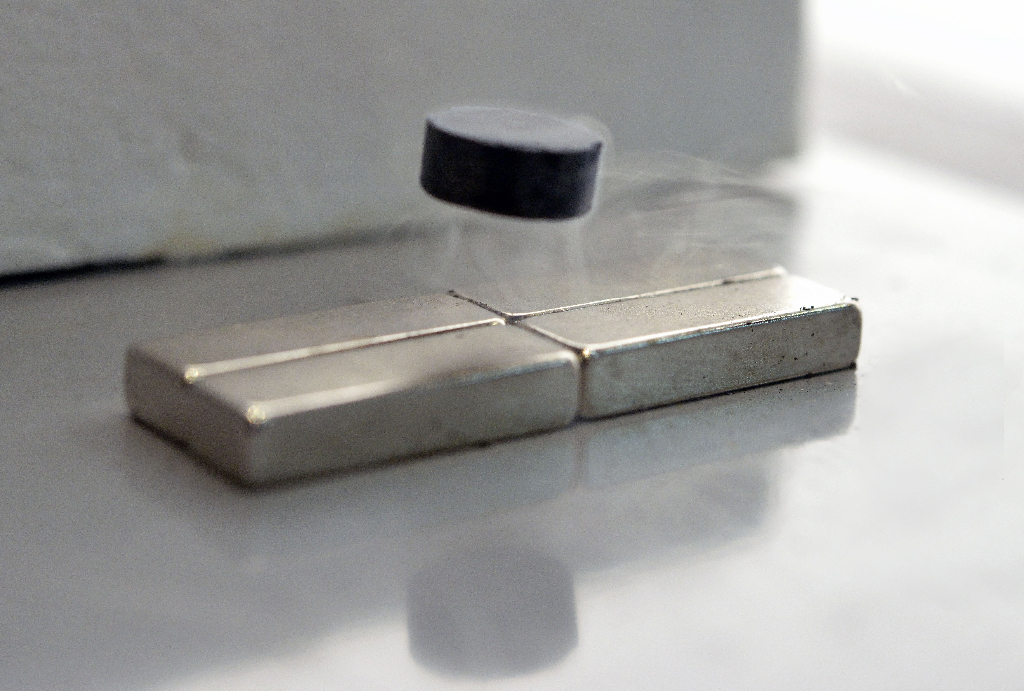
Furthermore, superconductivity is visible by a unique and spectacular phenomenon: magnetic levitation.  In fact, once it has cooled, a superconductor becomes impermeable to magnetic fields allowing it to float either above or below a magnet without departing from it.  This phenomenon may one day revolutionise our way of life with its various uses!

(source: tsrdecouverte.ch)

(source: tsrdecouverte.ch)


100 years already!

In April 1911, the Dutchman, Heike Kamerlingh Onnes (Nobel Prize for Physics 1913) and his student Gilles Host made the most important discovery of their careers.  By studying the electrical resistance of mercury, they discovered that this resistance fell sharply when lowering the temperature to a temperature close to absolute zero (-273 °C)!  This mysterious discovery opened up new horizons in physics research.  While research advanced, it remained mostly within the confines of the physics laboratory ….. until the great breakthrough of 1986… when German scientist, George Johannes Bednorz and Swiss scientist, Karl Alex Müller (in the research laboratories of IBM in Zurich, Rüschlikon) discovered superconductors with a much higher critical temperature.  This resulted in them being awarded the Nobel Prize just one year later.

They discovered a matter that becomes a superconductor at -238°C, whereas the previous record held since 1973 was at -249.8°C for niobium germanium.  This was followed a few months later by other researchers announcing that similar compounds were super-connecting at -180°C.  This was a very important step because these substances can now be cooled with liquid nitrogen (-196°C), which up until then were cooled with the more expensive liquid helium (-269°C).

Despite 100 years of research, researchers in superconductivity are still kept in suspense; these include many of the researchers in the MaNEP National Centre for Research on new materials with exceptional properties.


A film to learn more

To learn more about superconductivity, a film illustrating superconductivity in a basic way was made by MaNEP in 2007.

Get the Flash Player to see this player.


This film “Superconductivity: a brief overview of a great enigma”, lasts 15 minutes and is available on request (DVD) – in English, French and German.

Copyright MaNEP.


Current and future uses of Superconductivity

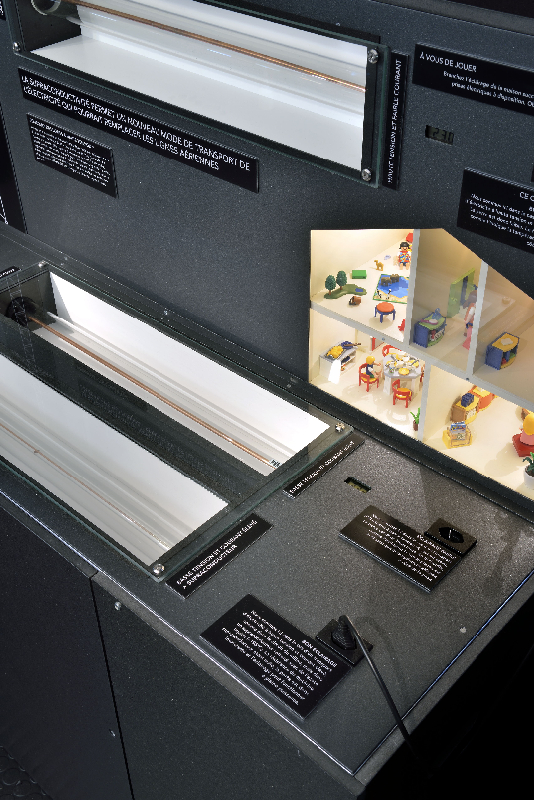
Over the years, superconductors have been developed for use for medicine in hospitals, notably Magnetic Resonance Imaging (MRI).  They are also used for the development of magnetic levitation for ultra-rapid trains (MagLev) and energy storage.  Discover four spectacular applications using superconducting magnetic fields. [more info]


100 Years of Superconductivity around the world

Around the world celebrations will be taking place.  Please check the programme of international events. [more info]
See also the CNRS web site: http://www.supraconductivite.fr


Uni GE
NCCR MaNEP 24, quai Ernest Ansermet CH-1211 Geneva 4
The National Centres of Competence in Research (NCCR)
are a research instrument of the Swiss National Science Foundation
FNSNF
 
Web design by JCP